Mastering Stress: The 2026 Stress Processing Journal Canva Template
As creative professionals, entrepreneurs, and busy adults, we often treat our design skills as a tool to manage our external world—crafting perfect logos, organizing brand identities, and publishing polished content. However, the internal world of stress and mental clutter is often left unorganized. This is where the intersection of practical design and personal wellness becomes essential. The 2026 Stress Processing Journal Canva is more than just a collection of pages; it is a structured design asset intended to bring the same clarity to your mind that a style guide brings to a brand.
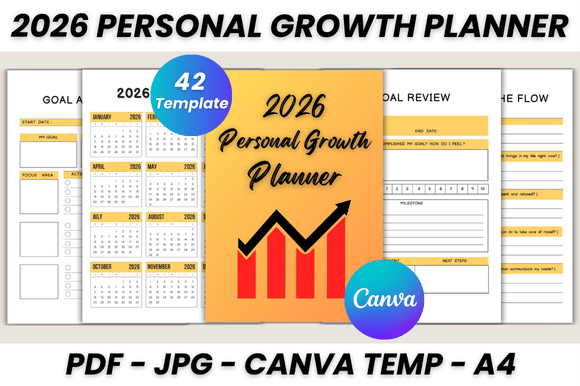
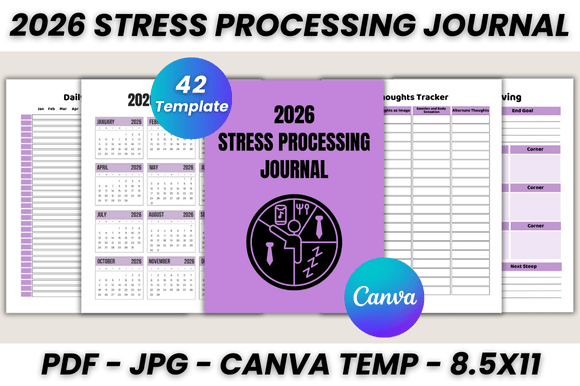
Unlike a generic diary, this template is built on the framework of cognitive processing. It utilizes 42 printable pages to deconstruct anxiety, turning vague worries into actionable data. For the designer or entrepreneur who values systems, this journal offers a specific visual language. The aesthetic is typically clean and minimalist, utilizing modern typography to ensure readability. It avoids the chaotic look of traditional "busy" planners, opting instead for ample white space. This approach mirrors high-end editorial design, where the negative space is just as important as the text, allowing the user to focus without visual fatigue. The style is professional yet approachable, designed to be a safe container for difficult emotions without feeling clinical or cold.
Structural Design and Functionality
The true value of the 2026 Stress Processing Journal Canva lies in its architectural layout. It moves beyond simple logging into active problem-solving. You will find dedicated sections for "Worry Exploration" and "Stress Walkthroughs." These aren't just blank lines; they are guided prompts asking you to define what elements of an event are controllable versus uncontrollable. From a design perspective, this is about creating a visual hierarchy that guides the eye through a logical thought process. The structure helps users separate the signal from the noise, much like a well-designed landing page guides a user toward a conversion.
For those who manage multiple projects, the inclusion of a 2026 Calendar and a Monthly Planner is vital. However, the standout feature is the integration of emotional tracking tools alongside standard productivity layouts. You have the Stress Level Tracker, Behavior Tracker, and Thoughts Tracker. These elements function like a dashboard for your mental health. If you are a small business owner or marketer, you understand the importance of metrics. This journal applies that same data-driven mindset to personal wellness. The Self-Care Calendar and Daily Habit Tracker ensure that recovery is scheduled, not just hoped for.
The Canva Advantage: Editing for Personal Branding
One of the strongest aspects of this product is its delivery format. Being a 2026 Stress Processing Journal Canva Template means it is fully editable using a free Canva account. This offers a level of customization that static PDF files cannot match. For content creators and designers, this is a significant advantage. You can adjust the color palette to match your personal brand or your studio's aesthetic. If the default sans serif font doesn't resonate with you, you can swap it for a serif font to give it a more classic, literary feel, or even a script font for headings to add a touch of personality.
This flexibility makes the journal a versatile design asset. You can resize elements, move text boxes to suit your handwriting size, or add additional branding elements like a personal logo. The ability to edit the files ensures that the journal feels like a bespoke product rather than a mass-market item. Whether you prefer a premium font look or a handwritten font vibe, the Canva interface allows you to make those changes in minutes. This is particularly useful for bloggers or publishers who might want to create a branded version of this journal for their own audience or team members.
Practical Application in Daily Life
Using the 2026 Stress Processing Journal requires a shift in habit, but the layout is designed to minimize friction. The "Stress Walkthrough" pages are particularly effective. Instead of ruminating, you are prompted to "Brainstorm 3 ways to reduce stress" and identify "Who can you receive Support from?" This shifts the brain from a loop of anxiety to a mode of problem-solving. The "A Letter To My Self" and "Journal Entry" pages provide a space for narrative reflection, while the "Daily Gratitude" section helps rewire the brain to scan for positives.
For the hobbyist or crafter, printing these pages creates a tangible artifact. The "Belongs To" page allows for personalization, making it a thoughtful gift for a friend or colleague struggling with burnout. The "Important Notes" and "My Notes" sections provide unstructured space for brainstorming or venting, balancing the structured analytical pages. By utilizing this template, you are not just buying a planner; you are adopting a system designed to handle the pressures of modern creative work. It bridges the gap between web design aesthetics and practical mental health management, offering a professional tool for personal growth.