Canva Recipes CookBook Template: Your Go-To for Food Content
There's a specific kind of creative block that hits when you're trying to organize a collection of recipes. You have the ingredients, the steps, the beautiful food photography, but the blank page feels like a barrier. The Canva Recipes CookBook Template is built to dissolve that barrier. It’s not just a set of pretty pages; it’s a structured system designed for food bloggers, chefs, and culinary creators who want to present their work with the same care they put into cooking it.
A Framework That Feels Like a Professional Kitchen
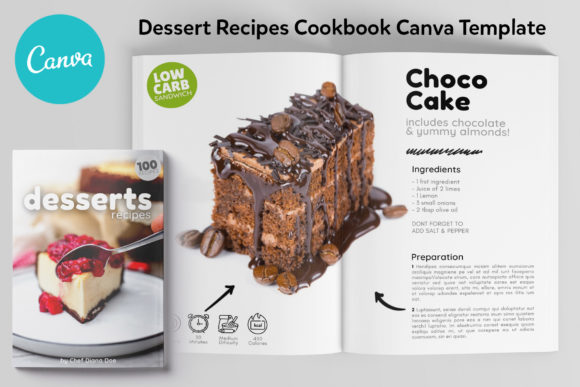
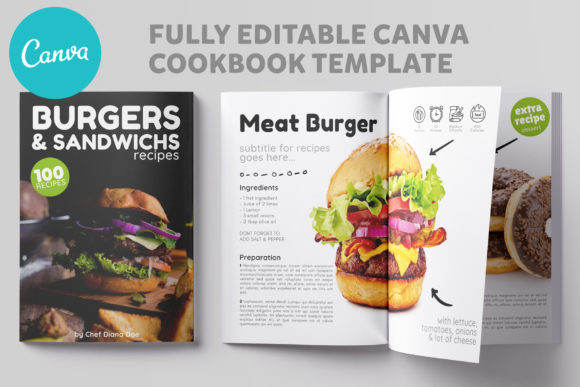
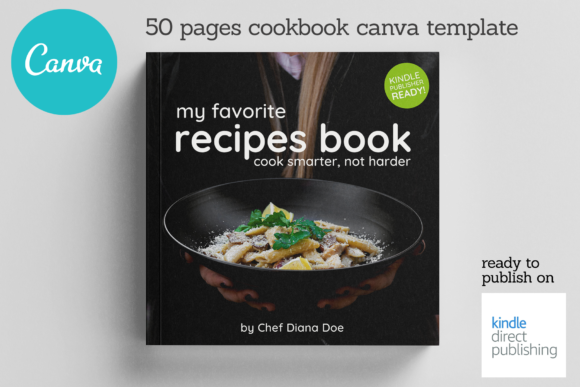
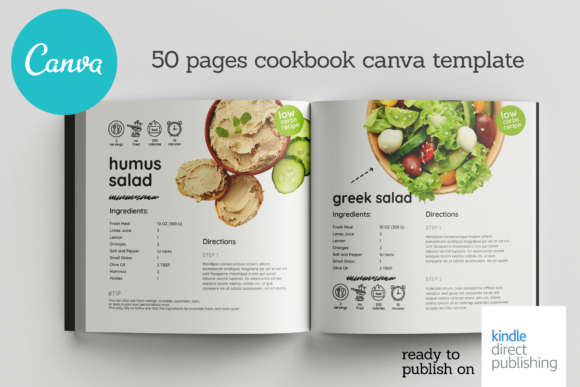
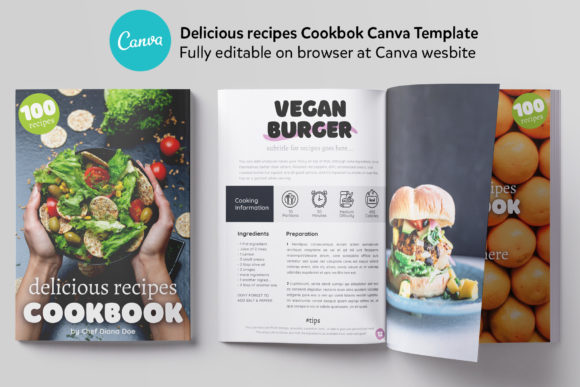
Think of this template as your mise en place for design. Everything is pre-organized, giving you a clear path from concept to finished product. It includes a cover page to make a strong first impression, an editorial page for setting the tone, and an about the author page to build a personal connection. The table of contents is already laid out, providing a clean navigational map for your readers. The real value, however, lies in the 6 unique recipe layouts. These aren't just different arrangements; they are distinct visual frameworks that allow you to match the design to the recipe's personality—a rustic layout for a hearty stew, a clean and minimal one for a delicate pastry.
The overall aesthetic strikes a balance between warmth and professionalism. It avoids overly whimsical or cluttered designs, opting instead for a modern editorial design feel. This makes it incredibly versatile. Whether your brand identity is cozy and homemade or sleek and contemporary, the template acts as a neutral yet sophisticated canvas. The typography pairings included are thoughtful, typically combining a readable sans serif font for body text with a complementary serif font or subtle script font for headings, ensuring both readability and visual interest.
More Than a Document: A Tool for Brand Consistency
For anyone building a food-related brand, consistency is everything. Using the Canva Recipes CookBook Template across your projects creates a recognizable visual language. Imagine using the same layout style for your blog's recipe cards, your Instagram story highlights, and the downloadable PDF you offer to subscribers. This repetition builds familiarity and trust with your audience. They start to associate that clean layout, that specific heading style, with your reliable, tested recipes.
This template excels in both digital and print applications. For a content creator, it's perfect for creating a polished lead magnet—a free recipe booklet to grow an email list. For a small business owner running a cooking class or selling specialty food products, it becomes a professional packaging design companion, turning a simple instruction sheet into a branded experience. The A4 size is a standard for printing, making the transition from screen to physical booklet seamless.
Practical Guidance for Making It Your Own
The beauty of this system lies in its editability within Canva, requiring only a free account. The process is straightforward: you receive a notes file with direct links to the master templates. You copy and paste the link for the template you want into your Canva account, and a fully editable copy is created for you. This is a significant advantage over static PDF templates.
When you begin editing, think strategically. Don't just swap in your text and photos. Use the table of contents page to plan the flow of your book. Group recipes logically—by course, season, or main ingredient. The 6 unique layouts are your best friends here. Use Layout A for all your appetizers to create a visual section break, and Layout B for desserts. This creates rhythm and makes the collection feel curated, not random.
Pay close attention to the font pairing. The pre-selected combinations work well, but you can explore other options within Canva's library. When choosing a creative font for headings, ensure it has good readability at the size you'll use it. A beautiful handwritten font might look stunning in a preview but can become illegible in a long recipe title. Always test your edited pages by viewing them at 100% zoom to check for visual hierarchy—do the ingredients list, instructions, and photo have a clear order of importance?
The template package also includes a TXT file with links and credits for any photos or icons used. This is crucial for maintaining ethical design practices, especially if you plan to use the final product commercially. It ensures you can properly attribute or replace assets as needed, keeping your project above board.
Where This Template Truly Shines
Its strength is in projects where clarity and appeal are non-negotiable. It's ideal for:
- Food Bloggers creating a cohesive digital recipe book for their audience.
- Chefs and Restaurateurs developing a branded cookbook or a seasonal menu booklet.
- Instagramers and Food Photographers compiling a portfolio of their styled food shots with accompanying recipes.
- Entrepreneurs designing a professional recipe booklet to accompany a product, like a spice blend or kitchen tool.
- Publishers and Marketers needing a fast, reliable layout for a food-related client project or a quick-turnaround magazine section.
In essence, the Canva Recipes CookBook Template is a practical design asset. It solves the specific problem of presenting recipes in an organized, attractive, and professional manner. It respects your time by providing the structure, and respects your creativity by leaving every element open for customization. It’s the tool that lets you focus on what you love—sharing food—while it handles the heavy lifting of modern typography